
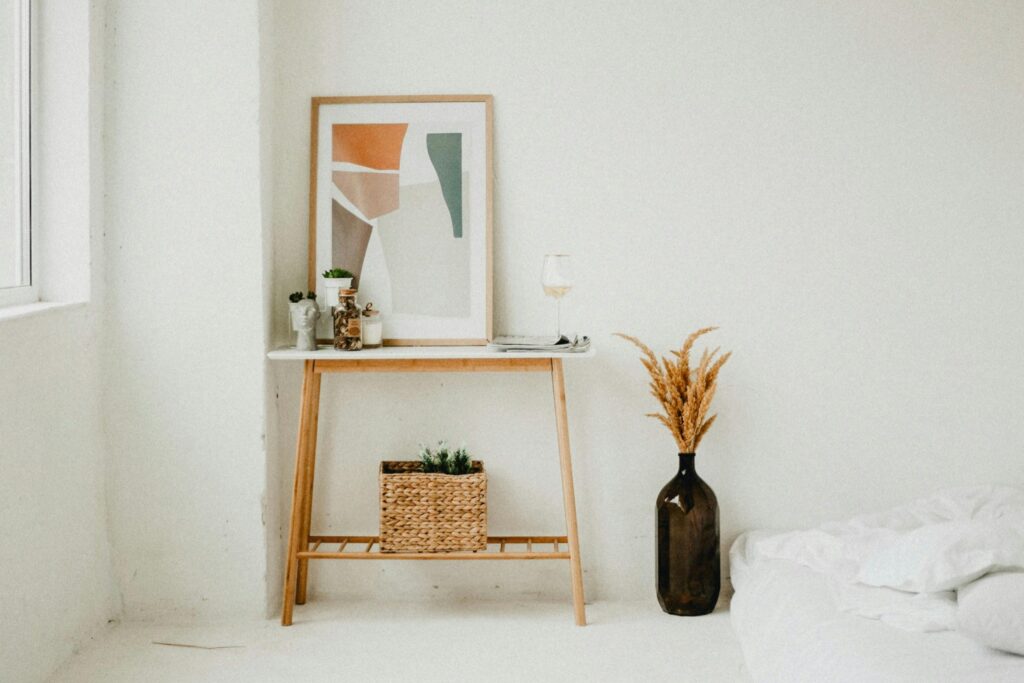
You’re exhausted. The laundry pile keeps growing, the kids’ toys have invaded every corner, and you can’t remember the last time you felt truly peaceful in your own home. What if the solution isn’t another productivity hack or self-care product but rather the art of letting go? Discover how embracing minimalism can transform your home into a sanctuary and become your most powerful self-care practice.
The Hidden Cost of Clutter: More Than Just a Messy Room
Before we talk about solutions, let’s acknowledge the real problem. As busy moms, you’re managing an incredible amount: work schedules, school pickups, meal planning, household management, and the emotional labor of parenting. On top of this mental load, physical clutter adds another invisible burden that most people don’t talk about.
Every item in your home requires a micro-decision: Where does it go? Do I need it? Should I move it? This isn’t just annoying—it’s exhausting. Psychologists call this “decision fatigue,” and it’s a documented phenomenon that drains your mental energy and willpower throughout the day.
Did you know? Research shows that people in cluttered environments experience higher cortisol levels (the stress hormone) and have difficulty focusing on tasks. A disorganized home actually makes you physically more stressed.
Beyond the psychology, there’s the practical reality: you spend time cleaning around clutter instead of cleaning efficiently. You forget what you own, so you buy duplicates. You can’t find things when you need them. You feel guilty about the mess. And somehow, keeping up with the clutter becomes another item on your never-ending to-do list.
Clutter isn’t just an organizational problem – it’s an energy problem. And when you’re already running on empty as a busy mom, this matters.
Understanding the “Quiet Home” Movement: What It Really Means
The “Quiet Home” movement has been gaining traction among parents, and it’s not what you might think. It’s not about having a silent, cold, minimalist showroom where kids can’t relax. Rather, it’s about creating an environment where there’s less noise both literally and mentally.
A quiet home is one where:
- Visual chaos is reduced: When you look around, you see the things you love and need, not the overflow of excess.
- Your nervous system can calm down: Your brain is constantly processing visual information. Less stuff = less processing = more peace.
- Family life flows more smoothly: When things have designated places, daily routines become easier and require less negotiation.
- Time and mental energy are freed up: Instead of managing objects, you can focus on relationships and what matters.
- Peace becomes the default state: You’re not constantly battling chaos; calm is your baseline.
This is profoundly different from the social media version of minimalism that shows pristine, empty rooms. A quiet home with kids still has toys, books, clothes, and life happening in it. The difference is intention. Everything present serves a purpose or brings joy.
The Quiet Home Isn’t About Perfection – It’s About Peace
Let’s be real: with kids, your home will never be magazine-perfect. And that’s not the goal. The goal is for your mind to feel at ease when you walk through the door. It’s about creating space both physical and mental where you can breathe.
Minimalism as Self-Care: The Revolutionary Reframe
Here’s where the paradigm shift happens: minimalism isn’t about what you’re missing or giving up. It’s about what you’re gaining. It’s one of the most direct forms of self-care available to you and it costs nothing.
Think about traditional self-care. A massage, face masks, coffee moments – these are lovely. But they’re temporary, they cost money, and they require you to step outside your life. Minimalism, by contrast, is something you create in your everyday environment. Every time you walk into your home, you experience the benefits. Every time you open a closet and find what you’re looking for instantly, it’s self-care. Every time you can relax without your eyes landing on a pile of things to deal with, that’s self-care.
“Minimalism is not about deprivation. It’s about clarity. It’s about making space for what actually matters.”
For busy moms specifically, minimalism is revolutionary self-care because it:
- Saves time: Less stuff to clean, organize, and maintain means more time for rest and activities you love.
- Reduces decision fatigue: Fewer options means faster decisions, which preserves your limited mental energy.
- Lowers stress: A calm environment literally reduces your body’s stress response.
- Improves focus: Less visual distraction means better concentration on tasks and people.
- Increases joy: When surrounded only by things you love, your emotional well-being improves.
- Models healthy values: You’re teaching your children that more stuff ≠ more happiness.
Unlike other self-care practices, minimalism is something you do once (the initial decluttering) and then maintain incrementally. The payoff compounds over time and it lasts.
Getting Started: First Steps Toward Your Quiet Home
Ready to create your quiet home? The key is starting small and building momentum. Don’t try to declutter your entire house this weekend. Instead, choose one small area and complete it fully. The sense of accomplishment will motivate you to continue.
Step 1: Choose Your First Project (Start Small)
Good starter areas include:
- A single kitchen drawer
- One shelf of your nightstand
- Your medicine cabinet
- A small closet or storage area
- One shelf in a bookcase
The goal isn’t to complete your entire home; it’s to have one complete success. This builds confidence and momentum for bigger projects.
Step 2: Use the “Keep or Release” Criteria
For each item, ask yourself these questions:
- Do I use this regularly?
- Does this serve a real purpose in my life right now?
- Do I genuinely love this?
- Am I keeping this out of guilt or obligation?
- If I had to buy this again, would I?
Notice these questions focus on your current life, not theoretical futures. Be honest. If you haven’t used it in a year and it doesn’t bring you joy, it’s a candidate for release.
Pro Tip: The 90-Day Rule – If you’re uncertain about an item, put it in a box with a date. If you don’t need it in 90 days, you can release it with confidence. This removes the pressure of immediate decisions.
Step 3: Organize What Remains
This is where systems come in. Your items should have homes, and those homes should make sense to your brain and lifestyle. Invest in minimal storage solutions that work for your life.
🛒 Product Recommendation: Clear Storage Containers





![[10-Pack] Glass Meal Prep Contain...](https://m.media-amazon.com/images/I/41ZdkMs1ciL._AC_.jpg)
Rubbermaid Brilliance Clear Locking Storage Containers are essential for any minimalist home. Clear containers let you see what you’re storing, reducing redundant purchases. They’re stackable, durable, and come in various sizes for different needs. Why this matters: When items are visible and organized, you’re more likely to use them and less likely to over-buy. Clear containers also look cleaner than opaque ones, maintaining your aesthetic.
Room-by-Room Decluttering Strategy: A Practical Guide
The Kitchen: The Heart of the Home
Kitchens tend to accumulate “just in case” items. That bread maker you used once. The fancy serving dishes for entertaining. Kitchen gadgets that duplicate what your regular tools do.
Focus area: Pots, pans, cooking tools, and gadgets.
Question to ask: “Do I actively cook with this?” If it’s been in the back of a cabinet for years, release it. Keep one good set of basics: one baking pan, one 9×13 dish, one set of pots and pans that you actually use.
🛒 Product Recommendation: Magnetic Spice Racks

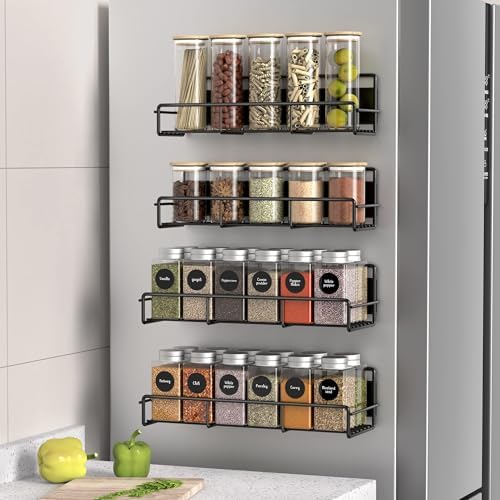
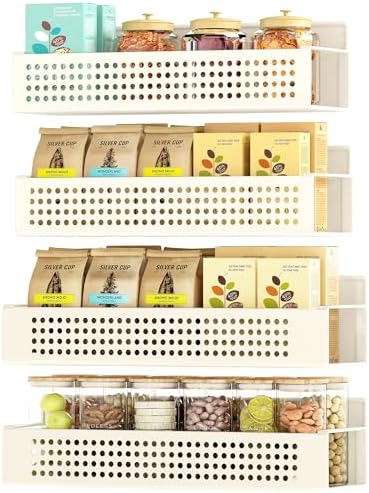

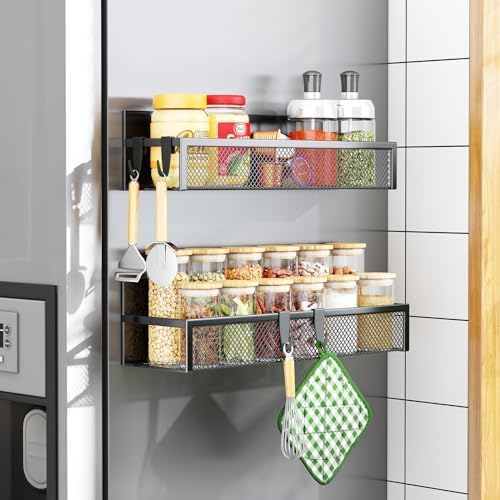




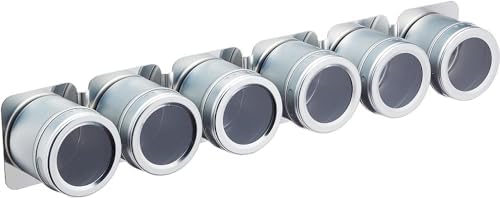
Magnetic Spice Organizer Tins transform your spice drawer into an organized, visible system. Instead of mysterious bottles at the back of cabinets, magnetic tins stick to the inside of cabinet doors where you can see everything. Why this matters: You’ll use spices more, avoid buying duplicates, and enjoy the visual organization every time you open the cabinet. This small change has an outsized impact on kitchen peace.
The Bedroom: Your Sanctuary
Your bedroom should be a retreat, not a storage unit. Yet many bedrooms become overflow areas for laundry, seasonal items, and things we don’t know where else to put.
Focus area: Clothes and nightstand items.
Real talk about clothes: Busy moms often keep clothing they don’t wear – someday clothes, special occasion items, or pieces that don’t fit right but might eventually. Life is too short to wear uncomfortable clothes. Keep your closet to items that fit now, that you love, and that you actually wear.
- Minimize colors to 5-6 basics so everything coordinates.
- Try everything on if you’re uncertain. Does it fit? Does it feel good?
- One season in, if you haven’t worn it, release it.
- Create a “favorites” section for items you reach for again and again.
🛒 Product Recommendation: Closet Organization System

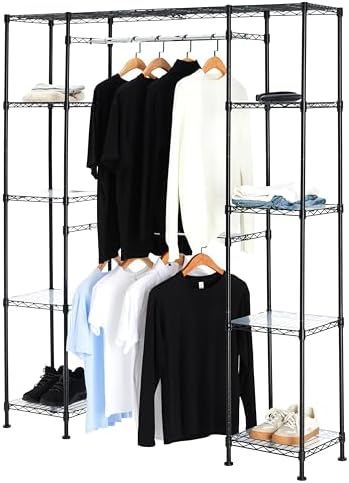


Amazon Basics Closet Organizer Shelves and Hanging Organizers create structure that makes your clothing visible and accessible. Over-the-door organizers free up shelf space; shelf dividers prevent clothing from toppling. Why this matters: When you can see all your clothes, you’re more likely to wear them and less likely to purchase duplicates. Organization transforms your closet from a source of stress to a functional space you enjoy.
The Living Room: Reclaim Your Space
Living rooms often become catch-alls for toys, books, and random items. Reclaiming this space means establishing clear zones and limits.
Focus area: Toys, books, and decorative items.
For toys: Keep a rotation system. A busy home doesn’t mean every toy stays out. Store seasonal toys away; rotate in fresh ones periodically. This reduces visual clutter and makes cleanup faster.
For books: Keep books you actually read or plan to read. Don’t keep books out of guilt or obligation. A small, curated bookshelf looks better and gets used more than overcrowded shelves.
🛒 Product Recommendation: Toy Storage Solutions


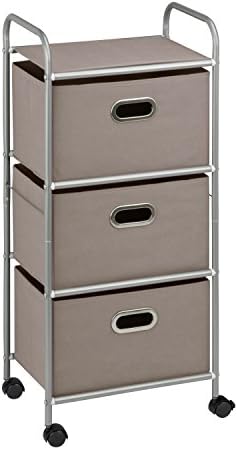


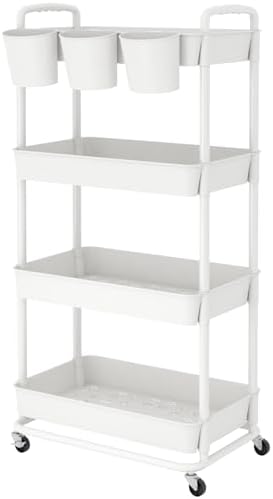


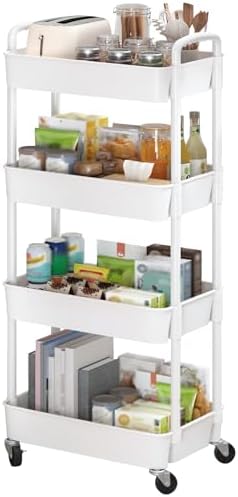

Honey-Can-Do Rolling Storage Carts are perfect for toy rotation. They store toys under the bed or in a closet, making it easy to switch out the rotation without taking up living room space. Why this matters: Limiting visible toys reduces chaos and makes the living room peaceful. Kids actually play more with fewer options (it reduces overwhelm). And cleanup takes minutes instead of an hour.
The Bathroom: Simplify Your Routine
Bathrooms are notorious for accumulating half-empty bottles, expired medications, and “someday” skincare products.
Focus area: Skincare, medications, and daily products.
The rule: If it’s expired, empty, or you haven’t used it in six months, it goes. Keep only the products you actually use daily. Everything should earn its space.
🛒 Product Recommendation: Bathroom Organization Caddy
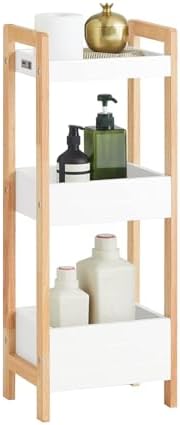

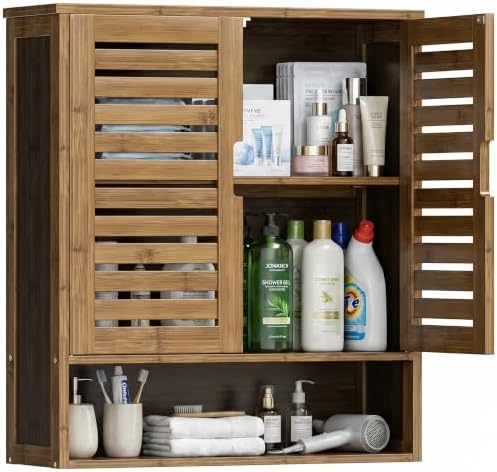

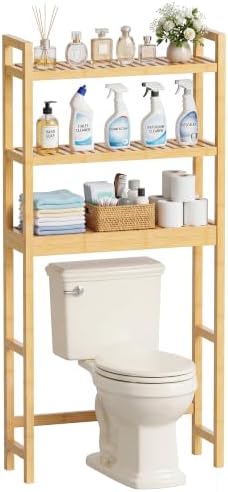


Over-the-Toilet Bathroom Organizer Shelf maximizes vertical space without taking up floor real estate. It keeps frequently used items visible and accessible while creating a clean, organized look. Why this matters: Small bathrooms feel spacious when organized. Everything has a place, making cleanup quick and reducing the stress of searching for items.
Maintaining Your Quiet Home: Making It Last
Creating a quiet home is one thing; maintaining it is another. The key is establishing systems and habits that prevent re-accumulation of clutter. This is the “quiet” part that sustains your peace long-term.
The One-In-One-Out Rule
When you bring something new in, something leaves. This prevents gradual re-accumulation. This is especially important with toys and children’s items, which multiply quickly.
Regular Reset Cycles
Schedule mini-decluttering sessions quarterly or seasonally. Spend 30 minutes going through one area. This prevents clutter from building up and keeps your systems working.
Mindful Consumption
Before purchasing anything, pause. Do you need it? Will it genuinely improve your life? Or are you buying to fill an emotional need? This mindfulness prevents the clutter cycle from starting again.
- ✓ Maintenance Checklist for Your Quiet Home
- Involve your family: Everyone helps maintain the system
- Weekly: 10-minute reset of each room (papers, toys, dishes)
- Monthly: Deep clean and organize one drawer or cabinet
- Quarterly: Review and remove items that aren’t being used
- Seasonally: Rotate clothes and toys; review and release items
- Before purchasing anything: Ask the “do I need this?” questions
Making It Sustainable With Family Buy-In
The most important element of maintaining a quiet home is having your family on board. This isn’t something you can do alone if you’re living with others.
For kids:
- Involve them in choosing what to keep (autonomy is motivating)
- Use toy rotation to keep things fresh and interesting
- Teach them that less is actually more (fewer toys = more time for imaginative play)
- Give them control of one small space to organize themselves
For partners:
Share maintenance duties so it’s not your sole responsibility
Explain the benefits you’re experiencing (peace, less stress, more time together)
Ask for their input on what they want to keep and why
Create systems that work for your collective lifestyle
🛒 Product Recommendation: Label Maker


Brother P-touch Label Maker helps family members understand your organizational system. Labels create visual clarity so everyone knows where things belong. Why this matters: When your system is labeled, your family can maintain it without you directing every step. This is the difference between a system you manage and a system that manages itself.
The Bigger Picture: What Quiet Home Living Means for Your Life
As you create your quiet home, something unexpected happens. It’s not just that your physical space becomes peaceful. Your entire relationship to your home—and to yourself—transforms.
A quiet home becomes a refuge. It’s where you return to calm your nervous system. It’s where you can breathe. It’s where you can hear yourself think. For busy moms running on fumes, this is revolutionary.
You’ll notice:
Shifted values: You start questioning consumption patterns and what actually makes you happy.
More mental space: You’re not constantly thinking about the mess. Your mind has space for creativity, rest, and connection.
More time: Cleaning and organizing takes less time when there’s less to manage. Those hours add up.
Better moods: A calm environment elevates mood. You’re less irritable; your family feels it too.
Better sleep: A peaceful bedroom actually helps you rest better (and you’re less stressed going to bed).
More joy: Surrounded by only things you love, you notice and appreciate more.
“Your home is not just where you live. It’s where you become. A quiet home creates the space for peace to finally arrive.”
The Quiet Home Awaits You
Creating a quiet home isn’t complicated, but it does require intention. It requires looking honestly at what’s in your space and asking whether it’s serving you. It requires being willing to let go of things that are taking up space physically and mentally. But here’s the promise: on the other side of that effort is a home that feels like a sanctuary. A space where peace is the baseline. Where you can finally breathe. Where your nervous system can calm down.
For busy moms, this is self-care at its most fundamental level.
Start small. Choose one area. Experience the peace. Then build from there. Your quiet home is waiting.
⚠️ Disclosure: This article contains affiliate links to Amazon products. As an Amazon Associate, I earn from qualifying purchases at no extra cost to you. I only recommend products I genuinely believe will help busy moms create peaceful homes.
© 2026 | This article is designed to help busy moms create peaceful homes through intentional minimalism. Remember: your quiet home is a journey, not a destination. Be gentle with yourself as you create the space you deserve.
Have questions? Share your journey toward your quiet home in the comments below. I’d love to hear how minimalism is transforming your life.
Leave a Reply