
Why Minimalism is the Ultimate Self-Care for Busy Moms
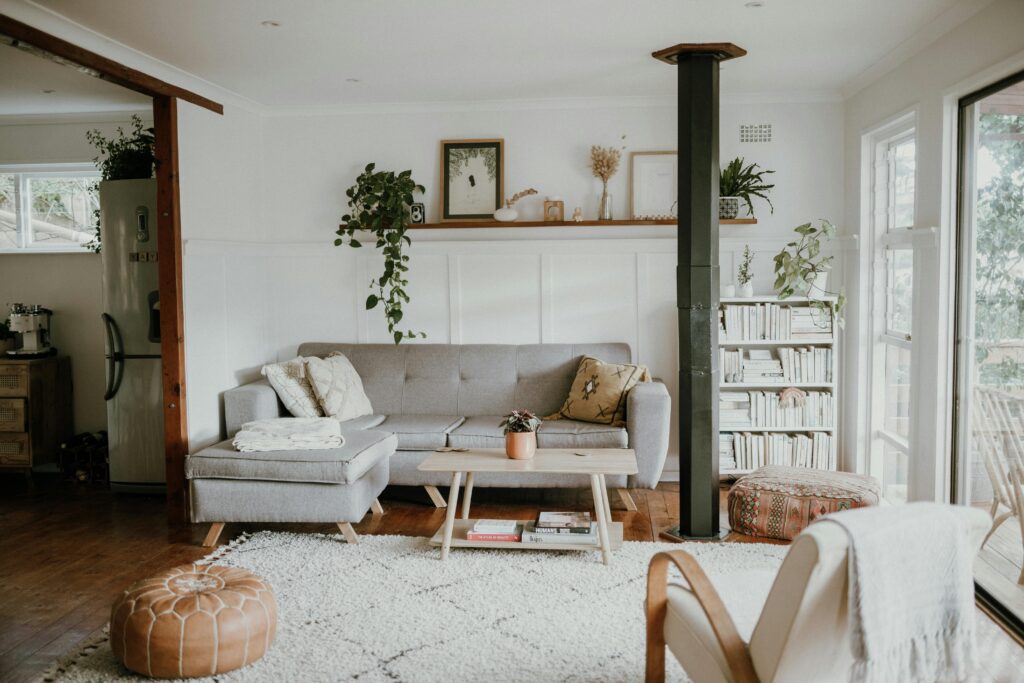
Introduction: Finding Peace in the Noise
If you’re a busy mom, you know the feeling. Your home is a constant hum of activity—toys scattered across the living room floor, endless piles of laundry, kitchen counters buried under items you can’t remember acquiring, and closets so full you can barely close the doors. The physical clutter mirrors an internal state: overwhelm, stress, decision fatigue, and a desperate longing for peace.
You’ve heard of self-care – the expensive spa days, the trendy skincare routines, the meditation apps. But what if I told you the most powerful form of self-care for busy moms isn’t something you buy or a place you go? It’s what you let go of.
Welcome to the art of the quiet home – a minimalist approach to living that transforms not just your space, but your mental health, your relationships, and the way you experience your life as a mother.
The Hidden Cost of Clutter: More Than Just Mess
Clutter isn’t just an aesthetic problem. Neuroscience shows that visual chaos directly impacts cognitive function. When your brain sees disorder, it automatically goes into problem-solving mode, consuming mental energy just trying to process the visual information. For busy moms already running on fumes, this is devastating.
Studies show that chronic clutter increases cortisol levels (your stress hormone), reduces sleep quality, and makes it harder to focus. Every item in your home that doesn’t serve a purpose or bring you joy is essentially a silent demand on your energy and attention.
The guilt compounds this. You feel guilty about the mess, guilty that you haven’t used that expensive kitchen gadget, guilty that you’re not the organized mom you see on Instagram, guilty that you’re too tired to deal with it all. That guilt? It’s exhausting.
The solution isn’t better organization systems (though those help). It’s fewer things.
Minimalism: The Self-Care Hack Nobody Talks About
Minimalism isn’t about deprivation. It’s not about living in a stark white room with three possessions and a meditation cushion (though if that’s your goal, respect). Minimalism for busy moms is about intentionality—keeping what serves you and releasing what doesn’t.
When you own fewer things, you gain something precious: mental space. Instead of spending energy managing stuff, you redirect that energy toward what actually matters—your kids, your partner, your own wellbeing, your passions.
Think about the practical benefits:
- Lower stress = Better sleep, mood, and immune function
- Less time cleaning and organizing = More time for what matters
- Fewer decisions to make = Reduced decision fatigue
- Clear spaces = Mental clarity and calm
- Less guilt = Better mental health
The Science Behind the Calm: Why Minimalism Works
Research from Princeton University neuroscientists found that physical clutter competing for your attention actually reduces your brain’s ability to focus. Your prefrontal cortex – the part responsible for decision-making and impulse control – gets overwhelmed, leading to decision fatigue and lower productivity.
Dr. Crum from Stanford’s Center for Health Education showed that our mindset about our environment directly impacts stress levels. When you see your home as “a reflection of my life getting out of control,” stress increases. When you see it as “a calm sanctuary I’ve intentionally created,” stress decreases.
The evidence is clear: minimalism isn’t just about having a clean home. It’s about investing in your mental health.
The Quiet Home: Creating Your Sanctuary
A quiet home isn’t about silence (with kids, that’s impossible). It’s about a space that feels peaceful, manageable, and reflective of your values. Here’s how to create it:
Step 1: The Great Purge
Start with one room, closet, or drawer. Be ruthless. For each item, ask:
- Do I use this?
- Do I love this?
- Is this worth the space and mental energy it costs?
If the answer is no to all three, let it go. Donate it, sell it, or give it away. This isn’t about being wasteful – it’s about redirecting items to people who will use them while freeing yourself from the guilt and burden.
💡 Pro Tip: Invest in quality storage bins with labels and lids. Clear bins help you see what you have, and labels keep families on the same page. Look for stackable sets in neutral colors.
Step 2: Organize With Systems
Now that you’ve pared down, create simple systems that work for your family. The key is ease of use – if it’s too complicated, you (and your family) won’t stick with it.
For toy management, consider a rotating system. Kids don’t need access to every toy simultaneously. Store half and rotate monthly. For clothing, use the vertical folding method so you can see everything at a glance. For the kitchen, group like items and use containers so nothing gets lost in the back.
Tools that help:
- Closet organizer systems with multiple hanging levels and shelves
- Drawer dividers to prevent jumbling
- Electric label makers so everyone knows where everything belongs
Step 3: Establish the “One In, One Out” Rule
The best way to maintain a minimal home is to prevent new clutter from accumulating. When something new comes in, something old goes out. This teaches kids about intentional consumption and prevents the problem from returning.
This is especially important before holidays and birthdays. Have a conversation with family members: instead of multiple small gifts, ask for one meaningful item the child actually wants and needs.
Step 4: Create Calm Spaces
Once your home is decluttered, design for calm. This doesn’t require spending money – it’s about using what you have intentionally.
- Comfortable seating invites relaxation and family time
- Soft, neutral colors soothe the nervous system
- Good lighting (especially natural) improves mood
- Plants clean the air and boost mental health
- Comfortable seating invites relaxation and family time
Enhance Your Calm Spaces:
Weighted blankets – Proven to reduce anxiety and improve sleep
White noise machines – Masks household noise and creates calming soundscapes
Essential oil diffusers – Lavender, eucalyptus, and chamomile promote relaxation
Soft, quality rugs – Warm to the eye and foot
The Mental Health Impact: What Busy Moms Gain
When you create a quiet home, something shifts internally. Moms report:
Time freedom: Five or more hours per week reclaimed from cleaning and managing stuff.
Reduced anxiety: Less to manage means less stress about what’s falling through the cracks.
Better sleep: Lower cortisol and a calming environment improve sleep quality. Consider adding a quality weighted blanket to your bed—research shows they reduce anxiety and improve sleep.
Improved patience: When you’re less stressed, you have more patience with your kids.
More presence: Without the mental burden of clutter, you’re more present with family.
Greater sense of control: Your environment reflects your values, not chaos.
Common Objections and How to Overcome Them
“But My Kids Need All These Toys”
Research shows that kids actually play more creatively with fewer toys. When faced with too many options, they get overwhelmed and bored. A smaller collection of quality toys (with rotation) leads to longer, deeper, more imaginative play.
“What if I Need Something Later?”
Most items people keep ‘just in case’ are never used. If you genuinely need something, you can replace it. The peace of mind from clearing clutter is worth the tiny chance you might need to rebuy something.
“I Feel Guilty About Throwing Things Away”
Reframe it: donating items is giving them a second life with someone who will use them. You’re not throwing things away; you’re freeing yourself from the burden while potentially helping someone else. This perspective shift is powerful.
“Getting Everyone on Board Is Hard”
Start with your own spaces. Model the calm you’re creating. When family members see how much better you feel and how much easier life is, they’ll want to join. Make it a family project with age-appropriate involvement. Kids often embrace minimalism more readily than adults.
Tools and Products That Support Your Minimalist Home
While minimalism is about owning less, having the right organizational tools makes the journey easier and more sustainable:
Storage & Organization
Quality storage bins with lids help you see what you have and protect items from dust. Look for stackable, uniform sets in neutral colors.
Drawer dividers keep small items from jumbling together and becoming chaotic. The investment is minimal; the impact is significant.
Closet Organization
A good closet organizer system with multiple hanging levels, shelves, and bins makes it easy to find clothes and prevents the morning decision paralysis. Double hanging rods maximize vertical space.
Labeling
A label maker is a game-changer. Everyone in the family knows where everything belongs. Kids can put things away themselves. No more mystery bins.
Conclusion: You Deserve This
Busy moms deserve homes that support them, not homes that drain them. You deserve a space where you can breathe, where decision fatigue decreases, where your nervous system can settle. You deserve to feel capable and in control of your environment.
The beautiful thing about minimalism is that it’s not complicated. It’s simple: keep what serves you, release what doesn’t. Create systems that your family can maintain. Design for calm. And most importantly, be patient with yourself. This is a practice, not perfection.
Start small. Pick one area this week. Feel the difference. Then expand. Before you know it, you’ll have created a home that reflects not the chaos of modern motherhood, but the peace you’ve intentionally chosen.
Your quiet home is waiting. Your calm is waiting. Your peace is waiting.
It’s time to start the art of the quiet hom
This article contains affiliate links to Amazon products. I recommend only products I genuinely use and believe in. When you purchase through these links, I earn a small commission at no additional cost to you. Your support helps me continue creating content designed to help busy moms find peace, balance, and intentional living. Thank you for supporting my work.
Leave a Reply